A Denver EV maintenance schedule is short. The item that actually bites you is a cold soak. The pack didn’t fail overnight. Thermal management ran while you slept. Cabin heat, battery heaters, and coolant loops pull energy in January. That looks like phantom drain. It’s usually the car doing its job.
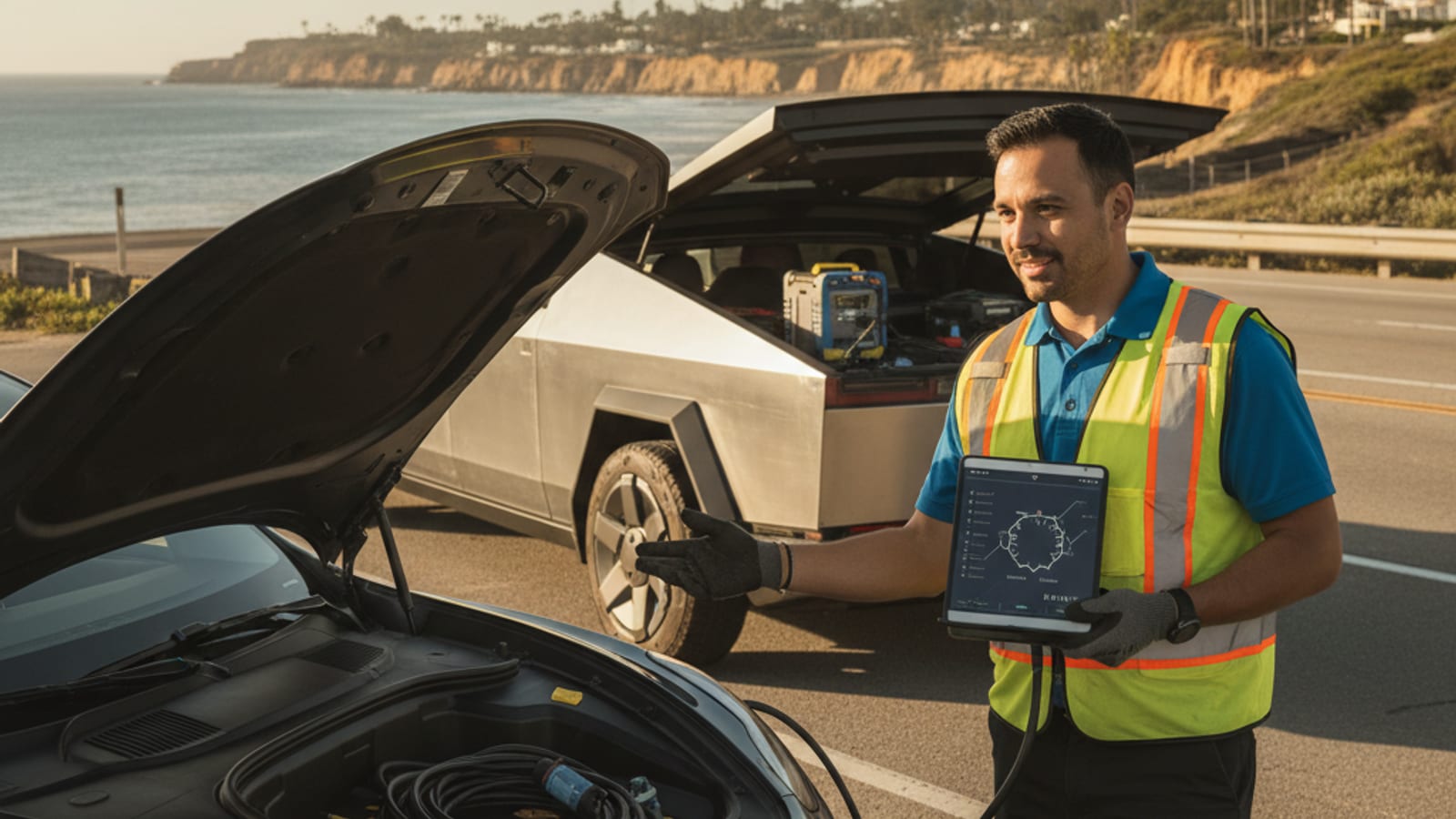
Cold nights spend energy a shop visit won’t find
NWS Boulder climate normals put Denver’s January low around 18 degrees. The all-time record sits at minus 29. You don’t need that record to feel it. The January 2024 arctic blast dropped the city from 47 to minus 19 in about 48 hours. Cars sat through that swing and woke with less indicated range. Owners blamed the pack. The pack was busy staying in its temperature window.
Recurrent Auto’s winter study covered more than 30,000 U.S. EVs. At 32 degrees, they kept about 78 percent of max range on average. At 20 degrees, they kept about 70 percent. Heat-pump cars held about 10 points more at 32. AAA’s 2026 dynamometer work reported about 39 percent range loss at 20 degrees. Those are fleet and lab averages. Your driveway can run colder than the official low.
Elevation stacks on top of air temperature. Denver’s official mark is 5,280 feet at the State Capitol steps. Boulder sits around 5,430, and Golden around 5,675. Evergreen is about 7,200 feet. Idaho Springs is 7,526, and Georgetown is 8,530. The Eisenhower-Johnson Memorial Tunnel’s west portal is 11,158 feet. Thinner air and a longer climb both cost miles. A list that only names cabin filters will miss that.
Snowfall normals sit in the low-to-mid 50s of inches. That’s why wipers, tread, and a working 12-volt share the same winter list. The night that strands people here is the cold one.
What you can skip, and what Front Range weather still punishes
There’s no oil change. You won’t replace spark plugs or a fuel filter. Timing belts are gone. Many EVs use a single-speed drive unit, and fluid service on that unit is rare. The interval lives in the manual. Don’t invent a mileage for it.
What remains still matters here. Tires take instant torque and extra mass. Friction brakes rest behind regen, then seize if you ignore them. Coolant still protects the pack and the inverters. The 12-volt still wakes the computers. Software still arrives over the air. None of that’s mild-weather filler. It’s a Front Range winter list.
Brand-by-brand quirks exist, so follow the manual first. Our EV maintenance by brand for Front Range cold walkthrough covers model notes without guessing.
A cadence that matches how people actually drive here
Every 5,000 to 7,500 miles, or twice a year, rotate the tires. Inspect tread and inflation on the same visit. Glance at pads and rotors. Check washer fluid and visible coolant. Swap a dirty cabin filter. Replace wipers before the first wet snow, not after.
Every year or two, test the 12-volt. Ask a shop to look at brake fluid. Moisture in that fluid is a chemistry problem, not a mileage problem. Inspect suspension bushings. Heavy packs punish them on broken winter pavement. Replace a dying key-fob cell before it leaves you locked out in a lot.
At high mileage, some drive units want fluid. Some coolant loops want a flush. Some packs get a state-of-health read during other service. Warranties on traction packs run long. They still don’t cover a dead 12-volt. Confirm the interval in the glovebox book. Don’t treat a blog as the warranty.
The 12-volt is the maintenance item that leaves you locked out
The traction pack moves the car. The 12-volt runs locks, screens, and the wake-up path. If that small battery is flat, the big one can sit full and the car won’t ready. That’s the classic cold-lot failure. A week in a Denver International parking garage is a textbook soak. Peña Boulevard is the only road in, and the lots sit exposed on the plains. The 12-volt, not the pack, is usually the patient.
Have it load-tested before a deep freeze, not after. Replacement after a few years is normal across brands. Lithium 12-volts in newer Teslas fail differently than old lead-acid packs, but the symptom is the same. The car goes silent. Lights don’t answer, and the app looks dead. For the Tesla-specific pattern, read Tesla 12-volt failure in Denver cold. The operators we connect you with jump a Tesla 12-volt on site.
If you can’t tell which battery died, start with which EV battery matters when you’re stranded. Jumping the 12-volt is a maintenance save. Towing a healthy pack because the computers wouldn’t wake is a wasted trip. Charge Pro DEN doesn’t do the work. We match you with independent local operators. They quote you before they start. They bill you directly.
Thermal management is the phantom drain on the schedule
Park plugged in when you can. The car can pull grid power for heat instead of pack power. That’s the winter habit that actually protects the pack. It’s also why a dead wall unit feels like a failed EV. The car still tried to stay warm. It used the only energy it had. A cord that didn’t add energy has its own write-up. Read what to do when overnight charging didn’t happen. That’s a charging-path problem. It isn’t proof the cells are done.
Preconditioning while plugged in is kinder than blasting heat after a cold start. Cabin heat and battery heating are separate loads. Both show up as overnight loss. Neither means the pack is dying. How to care for an EV battery through a Denver winter covers the daily habits. This page is the schedule around those habits.
Software updates change how aggressively the car heats the pack. Keep them current. A skipped update isn’t a fluid service. It still belongs on the list.
Don’t chase a round number for daily charge unless your manual states one. Many makers prefer staying off empty and off 100 percent for daily use. A full charge before an I-70 morning can still be the right call. Read the car, not a slogan.
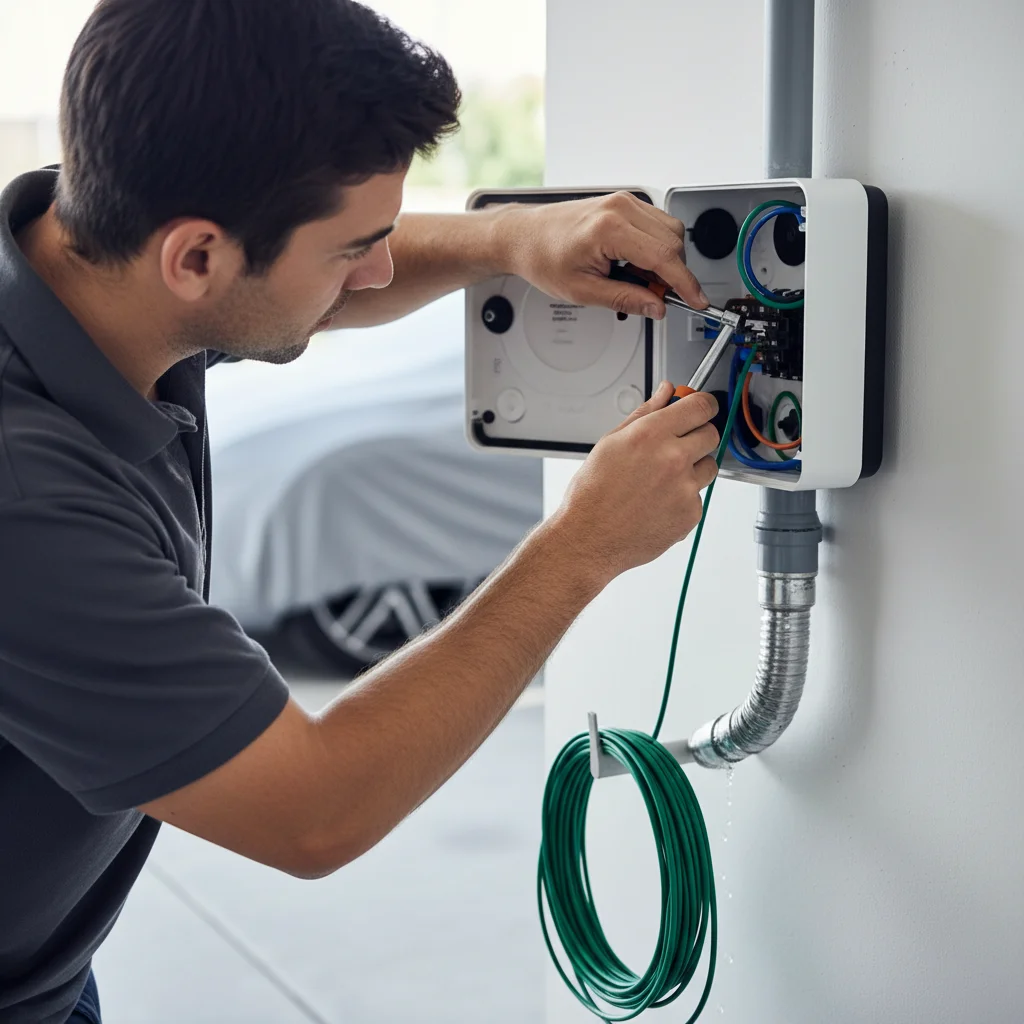
Utilities change the charging side of the schedule
The metro isn’t one power company. Xcel Energy covers the core and much of Boulder County. That includes Denver, Aurora, Lakewood, Golden, Wheat Ridge, Littleton, Englewood, Sheridan, Cherry Hills Village, and Greenwood Village. It also covers Boulder, Louisville, Superior, Lafayette, and the Clear Creek towns of Idaho Springs, Georgetown, and Empire. CORE Electric Cooperative owns the south-metro Douglas corridor. That’s Centennial, Highlands Ranch, Lone Tree, Parker, Castle Rock, Castle Pines, and nearby Douglas communities. United Power covers much of the north and northeast. It splits streets with Xcel inside Thornton, Northglenn, Westminster, Arvada, Broomfield, and Erie. Brighton electric is United Power, and Commerce City is on United Power as well. Longmont Power and Communications is the City of Longmont’s utility. Don’t call Xcel from Castle Rock. Don’t assume Thornton is United Power without checking the address.
Xcel publishes EV Accelerate At Home, EV Home Wiring Rebate, Optimize Your Charge, and Charging Perks. It also publishes RE-TOU, the Residential EV Rebate, and PCAN. CORE publishes COREV Connect, COREV Charge, and COREV Community Charge. COREV Charge is at capacity and closed to new applications. Confirm that on CORE’s site before you plan around it. United Power publishes United EV, wiring and panel-upgrade rebates, and the RTD1 time-of-use rate. Longmont has the LPC EV Charger Rebate. Rebate dollar amounts aren’t something we can confirm here. Ask the utility that actually bills the house.
Time-of-use schedules belong on your charging calendar. They don’t belong in a shop invoice. The maintenance win is slower, planned charging when the car is already home. Fast public sessions still have a place before a mountain morning. They aren’t the daily plan.
Broomfield is its own city and county. It isn’t Adams, Boulder, Jefferson, or Weld. Utility splits there are street by street. Confirm the bill before you blame the car.
Tires and traction law are winter maintenance, not extras
EV mass and instant torque chew tires. Rotate them on the short interval. Alignment after a pothole season beats a pair of insides worn bald. Low-rolling-resistance rubber is efficient. It isn’t magic in slush.
CDOT can activate the Passenger Vehicle Traction Law. In a worse storm, it can activate the Passenger Vehicle Chain Law. Watch the highway signs. Check COtrip.org or 511 for status. Don’t memorize a date range as if it were a statute. Two-wheel-drive cars need chains or an approved device when the traction law is on. AWD or winter tires with enough tread can satisfy the lighter rule. Fines exist. Confirm the current amounts on CDOT’s traction-law page before you leave for the mountains.
Regen recovers a large share of climb energy on the way back down. A widely cited analysis puts recovery around two-thirds. Corridor tests from Loveland Pass are more specific. A Lucid Air GT used about 3 percent of its battery over a 77-mile descent. A Hyundai Ioniq 5 used about 10 percent over 75 miles. Both credited regen. On ice, many drivers reduce regen for traction. That’s a handling choice. It isn’t a failed motor.
Named Superchargers sit where you already drive. Highlands Ranch has a 16-stall site, and Castle Rock has 16. Centennial has 12. Lone Tree at Park Meadows has 10. Idaho Springs has 8 on the Denver-side I-70 approach toward the tunnel. Lakewood has multiple sites, and Boulder has two. Those are inventory facts, not a promise a stall will be open. Charge the pack and confirm the 12-volt before you commit to the canyon past Golden.
Red Rocks in Morrison is a long dwell plus a climb home. The Denver Tech Center in Greenwood Village is a long cold sit after work. Park Meadows in Lone Tree is the same pattern under a garage roof. None of those trips need a mystery. They need a healthy 12-volt, legal tread, and enough pack for the last hill.
Brakes, coolant, and the port you actually plug into
Regen means pads last longer. Calipers still stick after months of light use. Have them checked when the tires come off. Brake fluid still absorbs water. A two-to-three-year flush is a common maker interval. Confirm yours.
Battery and inverter coolant isn’t washer fluid. Some loops are sealed for the life of the car. Some aren’t. The manual wins. A low reservoir after a hard freeze is a shop visit, not a roadside guess.
Charge ports ice up. Snowmelt sits in the door and refreezes. Inspect the latch and the pins. Dry the port before you force a plug. A stuck cable is a maintenance miss, not a dead pack.
Cabin filters clog with winter grit. Wipers smear brine. Both keep you from driving blind on C-470 at dusk.
Motors themselves are mostly sealed, so they don’t get a tune-up. If a drive-unit fluid service exists for your model, it’s a high-mileage item. Skip YouTube intervals. Use the book.
When the schedule fails on the shoulder
CDOT Safety Patrol will help on covered freeway segments. Coverage includes I-25 South from 120th Avenue to Arapahoe Road, and I-70 East from Wadsworth to Airport Blvd. Portions of US-6, C-470, and I-225 are covered too. The I-70 Mountain Corridor coverage runs Morrison to Vail. Published hours on the Front Range are 6:00 to 9:30 am and 2:30 to 7:00 pm weekdays. Weekend hours are 10:00 am to 7:00 pm. Mountain hours are 6:00 am to 7:00 pm Friday through Sunday, and during significant weather. They jump-start, change a tire, and clear debris. CDOT’s own pages say nothing about charging an EV. The free state program won’t bring a Level 2 source to the car.
CRS 42-4-1202 lets a genuinely disabled vehicle sit on the shoulder off the travel lane, with hazards on. There’s no Colorado statute that carves out a dead EV. You’re under the same disabled-vehicle rules as a gas car. Colorado State Patrol handles crashes and abandoned-vehicle authority under CRS 42-4-1803. That statute doesn’t use a fixed clock. Don’t wait on an invented hour limit.
E-470’s own assistance is *470 for a disabled driver on that toll road. They publish jump-starts and tire help. They don’t publish an EV charge. I-25 North and US-36 Express Lanes were built with a minimum 8-foot outside shoulder. Move right if you stall there. Don’t sit in a travel lane.
The pack can be empty while the car still wakes. A mobile Level 2 charge matches that failure. The operators we refer bring a 240-volt source to the car. They use a native NACS plug, or a CCS or J1772 adapter for non-Tesla EVs. Charging time is typically 15 to 30 minutes for about 10 to 20 miles of range. That’s plug time, not a promise of when someone arrives. If you need that call, start with mobile EV charging.
Charge Pro DEN is a referral line for the Denver metro. We don’t own trucks. We don’t employ technicians. We don’t set prices. Independent operators quote before they start. Call (720) 738-6950 if you want us to match you with one.
Colorado crossed 200,000 registered EVs by October 2025, per the Colorado Energy Office. The Denver metro still leads the state in EV share. Battery-electric vehicles were 12.5 percent of new metro registrations year-to-date through June 2026. That’s down from 23.7 percent a year earlier. The cars are still here. The winter maintenance list is still short. It just isn’t empty, and a cold night will test it first.